Scaling Global Search Visibility Through Automation
Preference for websites with updated material and well-structured pages that accommodate long-form assets and in-content links. Favor body-content placements near topic-rich areas instead of footers or sidebars, where signals often mix into navigational noise. Full-width governance view: pillar subjects map to high-authority sources and place depth. On the other side, a confirmed backlinks list is a curated subset of the website list focused on metrics that minimize danger and increase signal fidelity.
import ready GSA SER projectsThis multi-metric vetting helps make sure that the backlinks you acquire contribute meaningfully to pillar-topic health without activating manipulative or spammy patterns. A practical method to handle these lists at scale is to maintain a centralized inventory with per-entry fields like: URL, host domain, place, pillarTopic, DA/PA, Trust Flow, OBL count, anchor-text recommendations, Render Rationale, and Per-Locale Ledger notes.
When you pair a well-curated website list with a rigid verified backlinks list, you develop a reliable environment that scales across languages and devicesprecisely the sort of governance-enabled signal proliferation that modern-day SEO needs. Signals acquire credibility when provenance takes a trip with content across languages and surfaces. Governance guarantees every backlink render is explainable and auditable.
External benchmarks from market authorities strengthen how to analyze domain authority, trust signals, and contextual importance in a localization-driven program. The takeaway is basic: disciplined site lists and verified backlinks lists, when governed with pillar semantics and location depth, allow scalable, regulator-ready signal proliferation.
Technical SEO Footprint Scraping Strategies
In the next section, we equate these principles into a practical workflow for project planning and setup that makes sure every backlink render travels with explicit intent and location provenance. For organizations seeking a governance-forward blueprint, see how a central spine can align pillar subjects with localization depth and edge delivery across surface areas.
The governance spinal column, supplied by the IndexJump framework, makes sure every backlink render travels with explicit intent and area provenance as content traverses Knowledge Cards, Maps, Copilot triggers, voice surface areas, and AR experiences. This part translates that spinal column into a concrete setup blueprint: how to prepare, line up assets, and orchestrate outreach so your GSA SER projects remain safe, scalable, and regulator-ready throughout markets.
import ready GSA SER projects- Define pillar subjects per location and establish a localization depth map. Start with a core set of pillar topics that resonate throughout your primary markets, then expand to locale-specific angles that reflect language nuance, regulative factors to consider, and regional search behavior. For each area, connect a Render Rationale (the why behind the signal) and develop a Per-Locale Journal (the depth notes, translation restraints, and surface area delivery information).
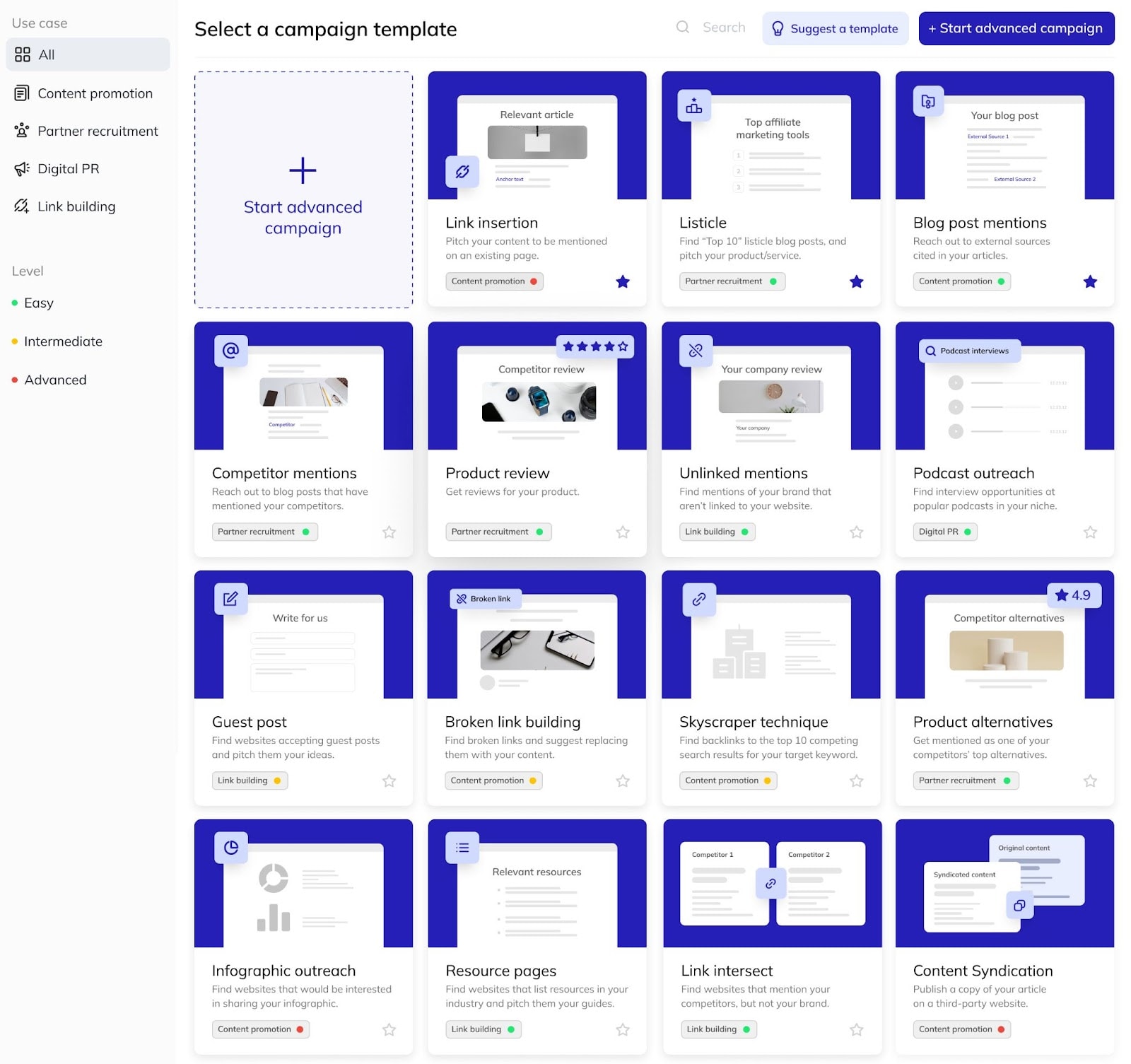
Building Advanced Link Automation Templates
- Style a localization-ready possession technique. Construct a portfolio of high-value, multiple-use possessions tailored to each locale: localized buying guides, region-specific analyses, and interactive tools that naturally bring in citations. Each possession needs to be tagged with pillar-topic intent and a Render Rationale explaining how the property strengthens the area's element of the pillar.
Localized properties and cross-surface anchors for each place. 3) Plan a determined platform mix and placement strategy. Identify the engines and platforms most likely to yield contextual, in-content placements that align with pillar topics in each area. Focus on platforms that enable in-content anchors near topic-rich sections, avoiding header-only or footer-only positionings that can water down semantic signals.
- Designer a scalable anchor and placement structure. Produce anchor-text families per area that map to the exact same pillar subject across languages, with a balanced mix of branded, descriptive, and topical anchors. Document each choice with a Render Rationale and Per-Locale Journal entry to preserve provenance as signals render through Understanding Cards, Maps, Copilot prompts, and edge surfaces.
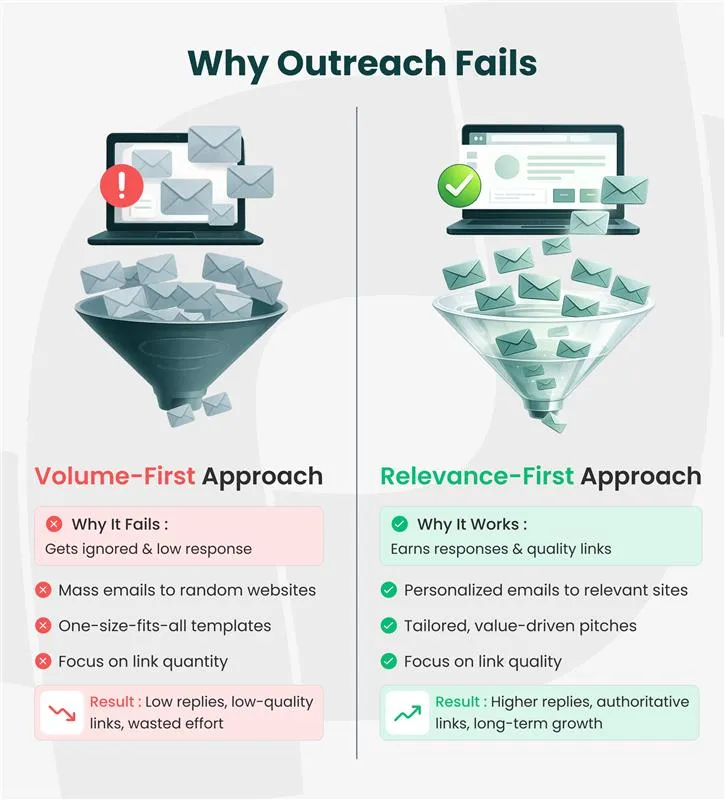
Full-width governance diagram: pillar topics map to localization depth and cross-surface shipment. 5) Develop an outreach workflow under governance guardrails. Build a tiered outreach plan that scales with location depth: local editors, multilingual influencers, and local publishers. Each outreach signal need to include a Render Reasoning discussing the local framing and a Per-Locale Ledger that records translation notes and platform restrictions.
How Advanced SEO Systems Impact Future Rankings?
- Implement governance dashboards and sprint rhythms. Create pillar-health dashboards per area, plus cross-surface control panels that reveal how signals propagate from landing pages to understanding centers and voice/AR surfaces. Connect Render Rationales and Per-Locale Ledgers to every backlink render so audits can verify intent, area depth, and surface shipment as content scales.